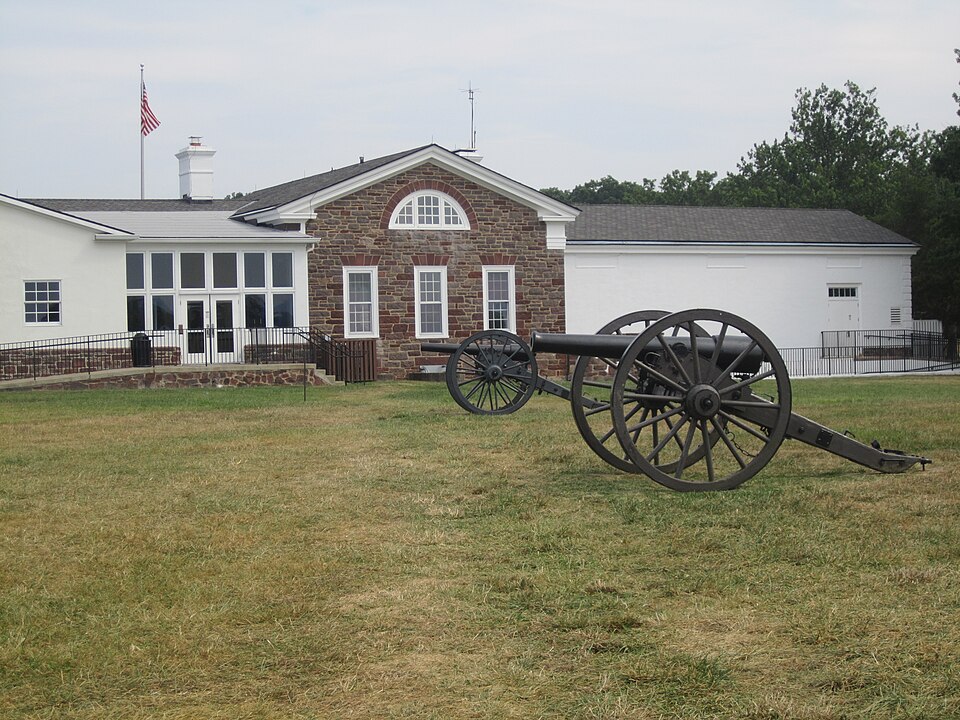
Manassas National Battlefield Park is one of the most historically significant and most visited Civil War sites in the United States — a 5,000-acre preserved landscape in Prince William County, Virginia whose two major battles fought in 1861 and 1862 produced some of the war’s most consequential Union defeats and whose proximity to the modern city of Manassas gives the community a living historical identity that connects contemporary residents to the defining conflict of American history.
The battles fought on the rolling Virginia piedmont farmland surrounding Manassas Junction gave the site its strategic importance during the war, as the critical railroad junction connecting the Confederacy’s eastern supply lines made the area a natural focus of military competition between Union forces advancing from Washington and Confederate armies defending Virginia.
For Manassas residents, Prince William County families, and anyone seeking to understand the historical foundations and cultural identity of one of Northern Virginia’s most historically layered communities, the battlefield park and the Civil War legacy it preserves provide an essential and profoundly rooted lens.
The First Battle of Bull Run
The First Battle of Bull Run, fought on July 21, 1861, was the opening major land engagement of the Civil War and the battle that shattered Northern expectations of a short, decisive conflict whose swift Union victory would restore the seceded Southern states to the Union before the war’s economic and human costs became unbearable.
The Confederate victory at First Bull Run, achieved in part through the timely arrival of reinforcements via the Manassas Gap Railroad and the rallying of Confederate forces around General Thomas J. Jackson — whose steadfast defense of Henry Hill earned him the enduring nickname “Stonewall” — demonstrated that the war would be a prolonged and costly struggle whose resolution would require far greater military commitment than either side had anticipated.
The battlefield’s Henry Hill, where Jackson’s brigade made its famous stand and where the battle’s outcome turned from apparent Union victory to Confederate triumph, remains one of the most historically evocative landscapes in the entire National Park System.
The National Park Service manages Manassas National Battlefield Park and maintains the historical documentation, visitor facilities, and landscape preservation programs that give residents and visitors direct access to the terrain where these defining events unfolded.
The Second Battle of Bull Run
The Second Battle of Bull Run, fought August 28 through 30, 1862, was a far larger and more tactically sophisticated engagement than its predecessor — a Confederate victory orchestrated by General Robert E. Lee and executed by Generals Stonewall Jackson and James Longstreet that effectively destroyed the Union Army of Virginia under General John Pope and opened the path for Lee’s first invasion of the North.
The battle’s three-day duration, its involvement of more than 100,000 combined troops across the rolling Virginia piedmont landscape, and its decisive Confederate outcome made it one of the most significant engagements of the entire Eastern Theater and one of Lee’s most complete tactical successes.
The landscape of the Second Bull Run battlefield, including the unfinished railroad grade that Jackson’s forces used as a defensive line and the ground across which Longstreet’s massive flank attack swept on August 30, is preserved within the national battlefield park whose boundaries encompass both the 1861 and 1862 engagement areas.
The American Battlefield Trust documents the Bull Run battles’ tactical history and the ongoing preservation efforts that protect the battlefield landscape from the development pressure that Northern Virginia’s suburban growth generates along the park’s boundaries.
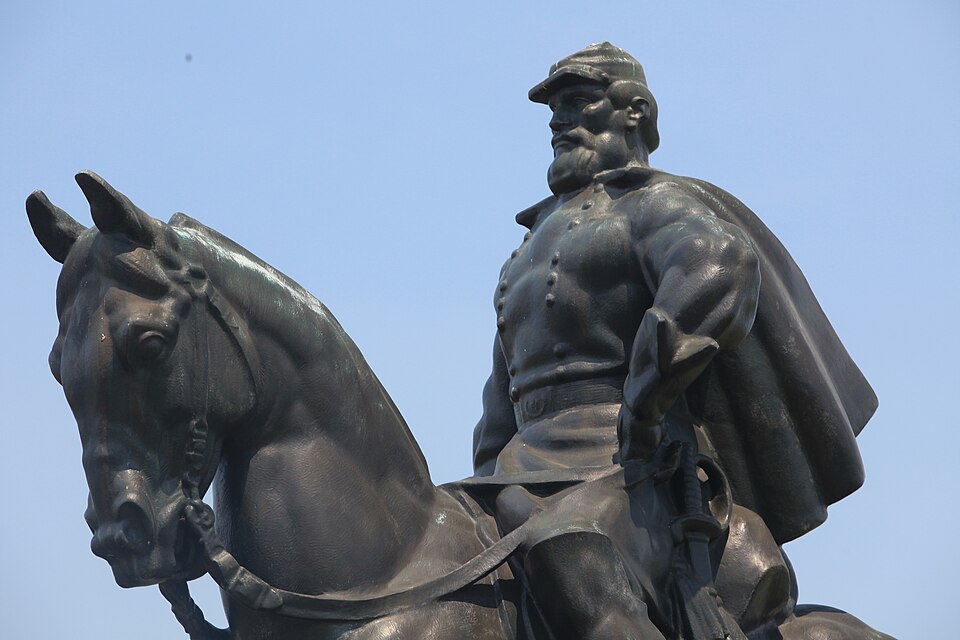
Image Credit: English: NPS, Public domain, via Wikimedia Commons
The Battlefield’s Landscape and Preservation
Manassas National Battlefield Park’s 5,000 acres of preserved Virginia piedmont landscape give the park its most visually compelling quality — the rolling farmland, woodlots, and open fields whose nineteenth century character has been maintained through the National Park Service’s active landscape management program whose goal is to restore and sustain the vegetative conditions that existed at the time of the battles.
The park’s landscape preservation effort faces the ongoing challenge of Northern Virginia’s suburban development pressure, whose residential and commercial growth along the park’s boundaries creates the encroachment threats that the National Park Service and battlefield preservation advocates have worked to counter through land acquisition, conservation easements, and the public education programs that build community support for battlefield protection.
The park’s visitor center, museum exhibits, and the interpretive trails that guide visitors across the key terrain features of both battles give Manassas residents and the millions of annual visitors who come to the battlefield a structured engagement with the historical events whose physical evidence the landscape preserves.
The preservation of the battlefield landscape within a rapidly urbanizing Northern Virginia corridor represents one of the National Park System’s most significant achievements in protecting irreplaceable historical resources from the development pressures that have consumed comparable landscapes across the region.
Virginia’s Climate and the Battlefield’s Seasonal Character
Virginia’s Mid-Atlantic climate gives Manassas National Battlefield Park its dramatically seasonal visitor experience — the hot, humid summers that characterize the Northern Virginia piedmont corridor create the outdoor comfort challenges that contemporary visitors navigate across the same terrain where soldiers fought in the July and August heat that contributed to the physical exhaustion shaping both battles’ outcomes.
Manassas experiences a humid subtropical climate with hot summers averaging July highs near 88°F, mild winters with average January lows near 27°F, and approximately 42 inches of annual precipitation according to NOAA climate data for the Manassas, Virginia area.
The spring and fall seasons deliver the most comfortable conditions for battlefield hiking and exploration, when moderate temperatures and the landscape’s seasonal transitions — the spring wildflowers of Henry Hill and the autumn foliage of the Bull Run woodlots — give the park its most visually rewarding character for the resident visitors whose proximity allows repeated seasonal engagement with the battlefield landscape.
The winter months bring a quieter character to the battlefield whose reduced visitor numbers and the bare deciduous trees that reveal the terrain’s underlying topography give the landscape a stark clarity that helps visitors understand the tactical significance of ridgelines, woodlots, and creek bottoms whose summer vegetation obscures the sight lines and movement corridors that determined the battles’ outcomes.
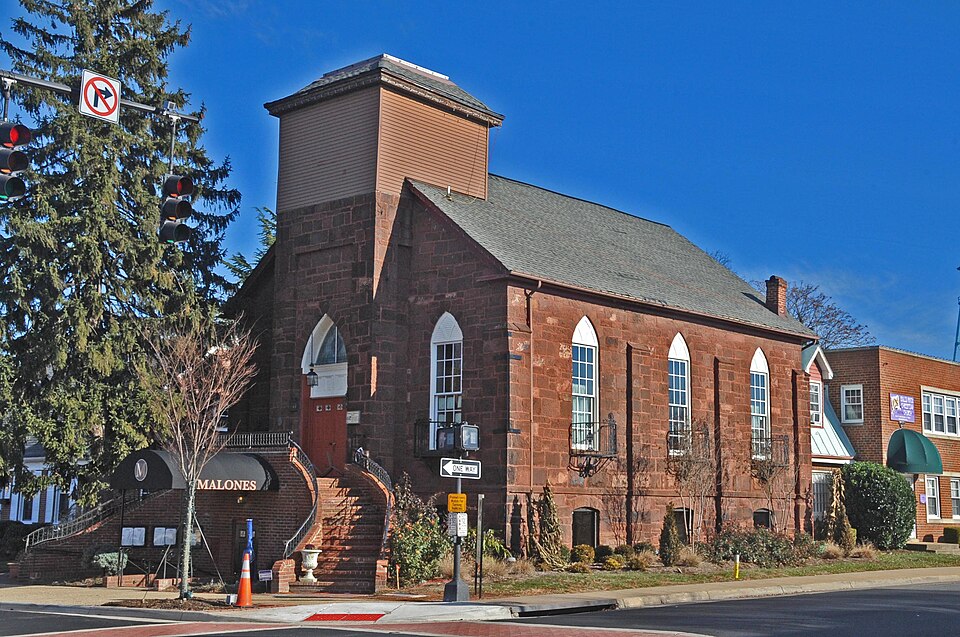
Image Credit: Jerrye & Roy Klotz, MD, CC BY-SA 3.0, via Wikimedia Commons
Manassas City’s Living Civil War Heritage
The City of Manassas’s relationship with its Civil War heritage extends beyond the battlefield park into the broader community identity of a Virginia city whose historic downtown, museum institutions, and the annual commemorative events that mark the battles’ anniversaries give residents a sustained engagement with the history that their community’s name carries into the present.
The Manassas Museum System, whose collections document the city’s Civil War era history and the broader sweep of Prince William County’s historical development, gives residents direct access to the material culture and documentary record of the community whose wartime experience the battlefield park memorializes.
The railroad junction that made Manassas strategically vital during the Civil War remains a functioning transportation node in the contemporary community, its Amtrak and Virginia Railway Express service connecting Manassas to Washington and the broader Northern Virginia corridor in a modern echo of the rail connectivity whose wartime importance shaped the battles that gave the city its historical identity.
For Prince William County residents and anyone exploring the Civil War heritage, battlefield landscape, and community identity of Manassas, Virginia, the national battlefield park remains the most historically significant and most actively interpreted natural and cultural resource in one of Northern Virginia’s most historically consequential communities.